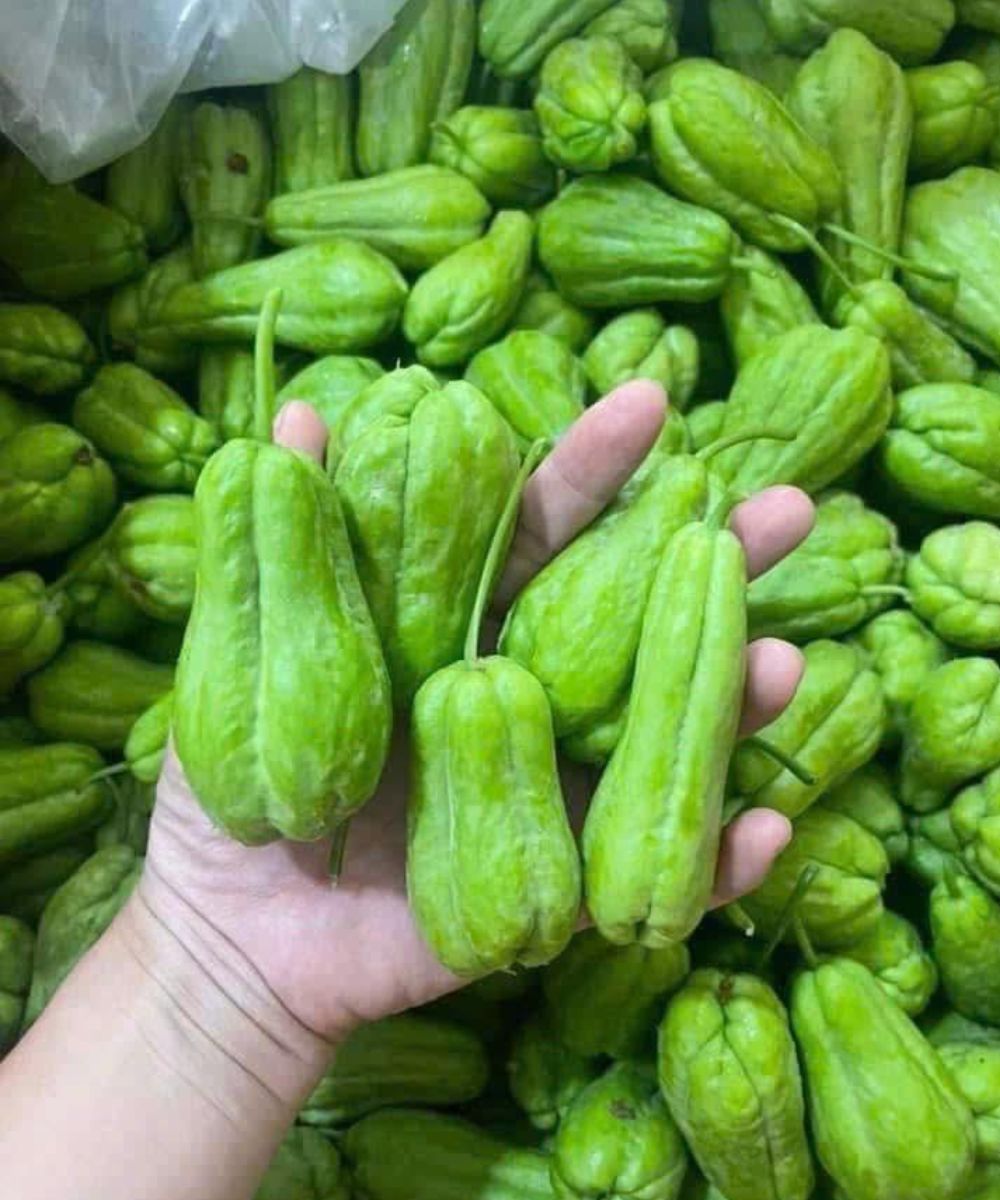
Chayote, also known as vegetable pear or Sechium edule, is a nutritious, low-calorie vegetable commonly used in soups, salads, and stir-fries. It is rich in fiber, vitamins, and minerals, making it a healthy addition to most diets. However, not everyone should eat chayote freely. Certain groups of people need to be cautious because chayote can sometimes cause adverse effects or interfere with existing health conditions.
1. People with Kidney Problems
Chayote contains naturally occurring compounds called oxalates. For most people, oxalates are harmless, but for individuals with kidney problems, they can increase the risk of kidney stone formation. Those who have a history of kidney stones or reduced kidney function should limit chayote consumption or consult their doctor before adding it to their diet. Cooking chayote thoroughly and drinking plenty of water can help reduce the risk, but caution is still advised.
2. People with Allergies to Cucurbit Family Vegetables

Chayote belongs to the gourd family, which includes squash, pumpkin, and cucumber. People who are allergic to these vegetables may experience allergic reactions when eating chayote. Symptoms can include itching, swelling, hives, or in rare cases, difficulty breathing. If you have a known allergy to any member of this family, it is best to avoid chayote altogether or speak with an allergist before trying it.