6 Nighttime Symptoms After Age 40 That You Should Never Ignore
As people enter their forties, the body begins to undergo gradual changes that affect sleep quality, hormonal balance, metabolism, circulation, and neurological function. Many of these changes are normal, but nighttime symptoms can sometimes provide early clues that certain systems of the body are under strain. These symptoms do not diagnose any specific disease on their own. However, paying attention to them can help identify issues early and support timely medical evaluation.
Below are six nighttime symptoms that individuals over 40 should not ignore, especially when they occur frequently or intensify over time.
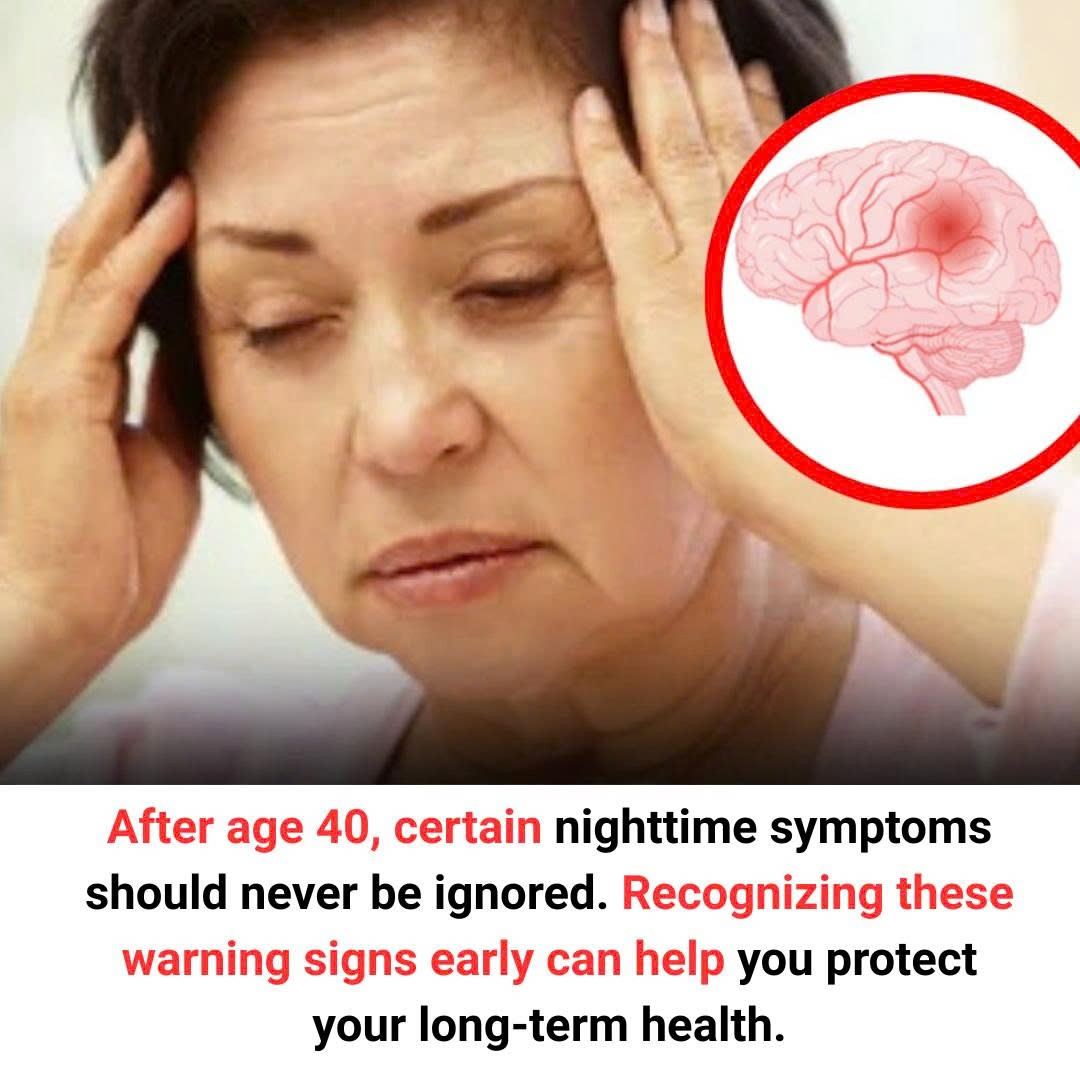
1. Persistent or Unusual Headaches at Night
Headaches that routinely appear in the evening or wake you from sleep deserve attention. While tension, dehydration, or poor posture can trigger headaches, recurring nighttime episodes may indicate changes in blood pressure, muscle tension, or sleep patterns.
People over 40 are more prone to variations in vascular responsiveness, and nighttime headaches can be the body’s way of signaling imbalance. Tracking when the headaches occur and whether they respond to medication or lifestyle adjustments can help guide a medical evaluation.
2. Difficulty Breathing or Waking Up Short of Breath
Breathing disturbances during sleep are common, especially in adults experiencing weight changes, nasal congestion, or stress. However, consistent episodes of waking up gasping, snoring loudly, or experiencing interrupted breathing should not be ignored.
Sleep-related breathing problems can interfere with oxygen supply, strain the cardiovascular system, and cause daytime fatigue. These issues are often treatable once identified, and early intervention can significantly improve quality of life.
3. Excessive Night Sweating Without an Obvious Cause
Night sweats can occur due to warm temperatures or heavy bedding, but when sweating happens in a cool environment, it may indicate that the body is responding to hormonal fluctuations or metabolic stress.
After age 40, changes in estrogen, testosterone, and thyroid hormones can affect temperature regulation. Persistent night sweats—especially when paired with fatigue, changes in appetite, or emotional shifts—should prompt a conversation with a healthcare professional.