Why You Might Be Drooling in Your Sleep (And When It Matters)
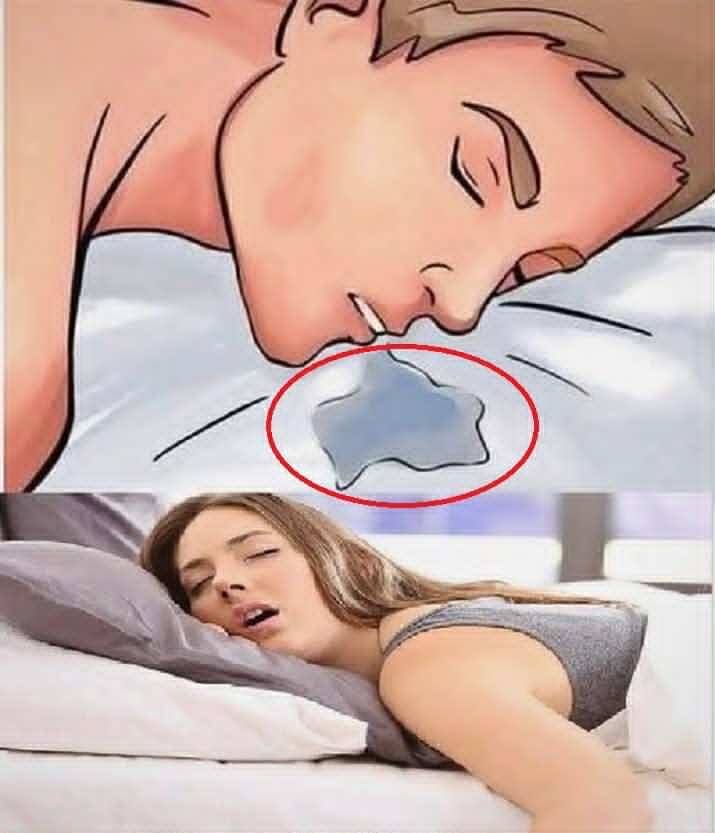
Waking up to a damp pillow can be disconcerting, and while many shrug it off as harmless drooling, it can sometimes signal something more. Nighttime drooling is common, but in certain cases, it may point to underlying health issues—from sleep disturbances to neurological
concerns. What seems like a minor inconvenience could be your body trying to get your attention.
Common Reasons for Nighttime Drooling
Drooling during sleep is more widespread than many realize. Some people only experience it during naps, while for others, it’s a nightly occurrence. Most cases are harmless, but a range of factors—medical, positional, or lifestyle-related—can contribute:
1. Sleep Position
Lying on your side or stomach makes it easier for saliva to escape, especially if nasal congestion forces mouth breathing. Relaxed facial muscles also increase the likelihood of drooling.
2. Medication Side Effects
Certain prescriptions, including sedatives, antipsychotics, some antibiotics, and pain medications, can boost saliva production. Adjustments may be necessary if it becomes disruptive.
3. Nasal Congestion
Allergies, colds, or sinus infections can block nasal passages, forcing mouth breathing and increasing drooling. This is usually temporary and resolves with the congestion.
4. Deviated Septum
An off-center septum can make nasal breathing difficult, leading to drooling. Severe cases may require surgical correction.
5. Sleep Apnea