Considerations Regarding Bisphenol A (BPA)
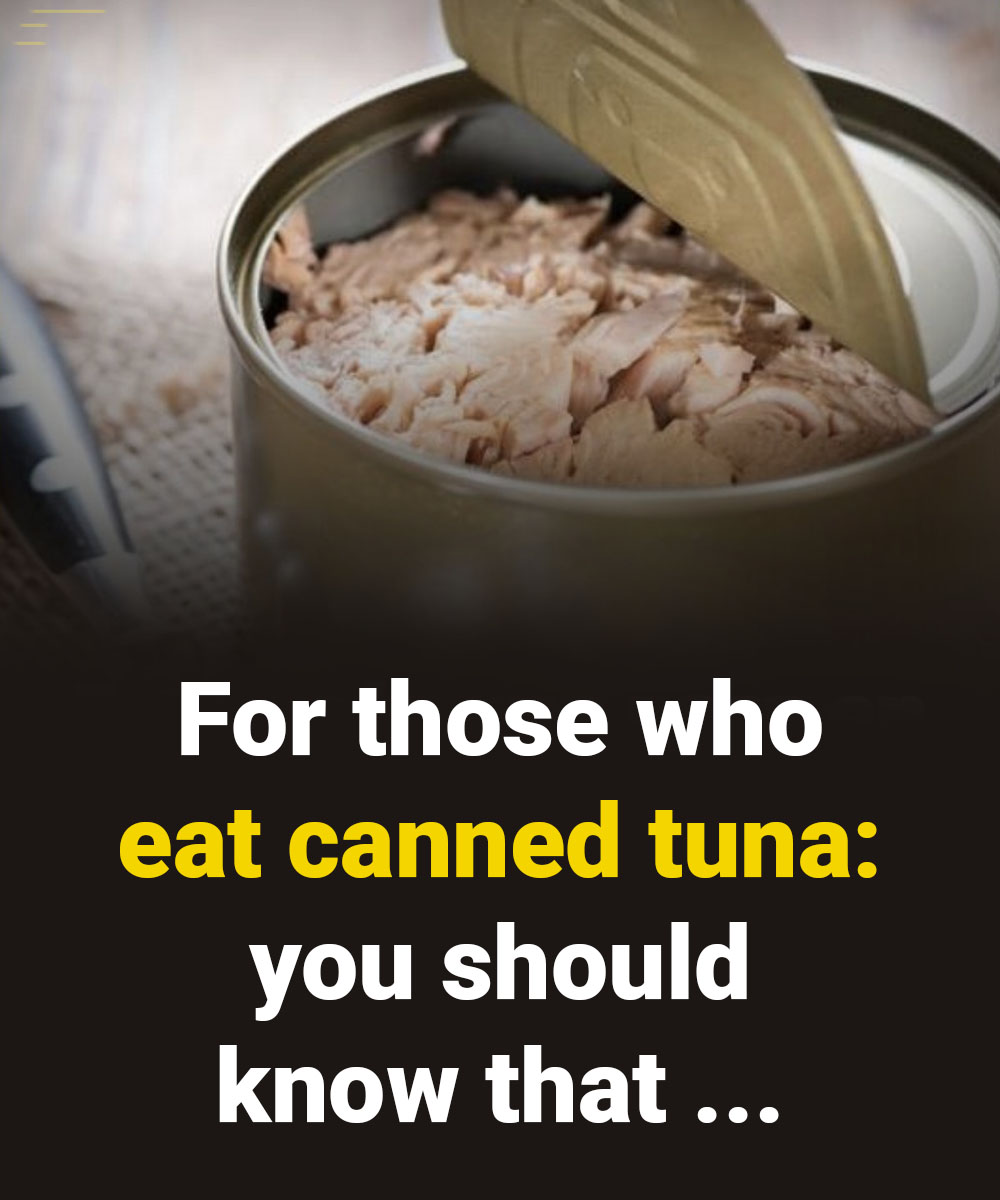
Some tuna cans may be coated with bisphenol A (BPA), a chemical that has been linked to health problems, including hormonal disruption and an increased risk of certain cancers. Choose brands that clearly state their cans are BPA-free to minimize this risk.
Health Problems Related to Canned Foods
Presence of Preservatives and Additives: Canned tuna may contain preservatives and additives to extend its shelf life. Some of these additives can have negative health effects if consumed in excess. Read labels and choose products that contain as few additives as possible.
Fish Quality: The canning process can affect the quality of the fish. In some cases, the tuna used in cans may not be as fresh as fresh fish available in the market. This can impact the nutritional content and safety of the product.
Nutrient Loss: Although canned tuna is nutritious, the canning process can cause the loss of some heat-sensitive nutrients, such as certain B vitamins. Be sure to supplement your diet with other sources of essential nutrients.
Recommendations for Healthy Consumption
To enjoy the benefits of canned tuna without incurring the associated risks, follow these recommendations:
Vary your protein source: Alternate tuna with other protein sources such as chicken, eggs, legumes, and tofu to reduce mercury exposure.
Choose tuna in water and low in sodium: Opt for versions canned in water and check labels to select products with low sodium content.
Consume in moderation: Limit consumption of canned tuna to 2-3 times per week to minimize exposure to mercury and other potential contaminants.
Look for packaging alternatives: Choose canned products in BPA-free containers to reduce exposure to this chemical.