Milk-Based Multifunctional Top Dressing for Increased Yield and Plant Health
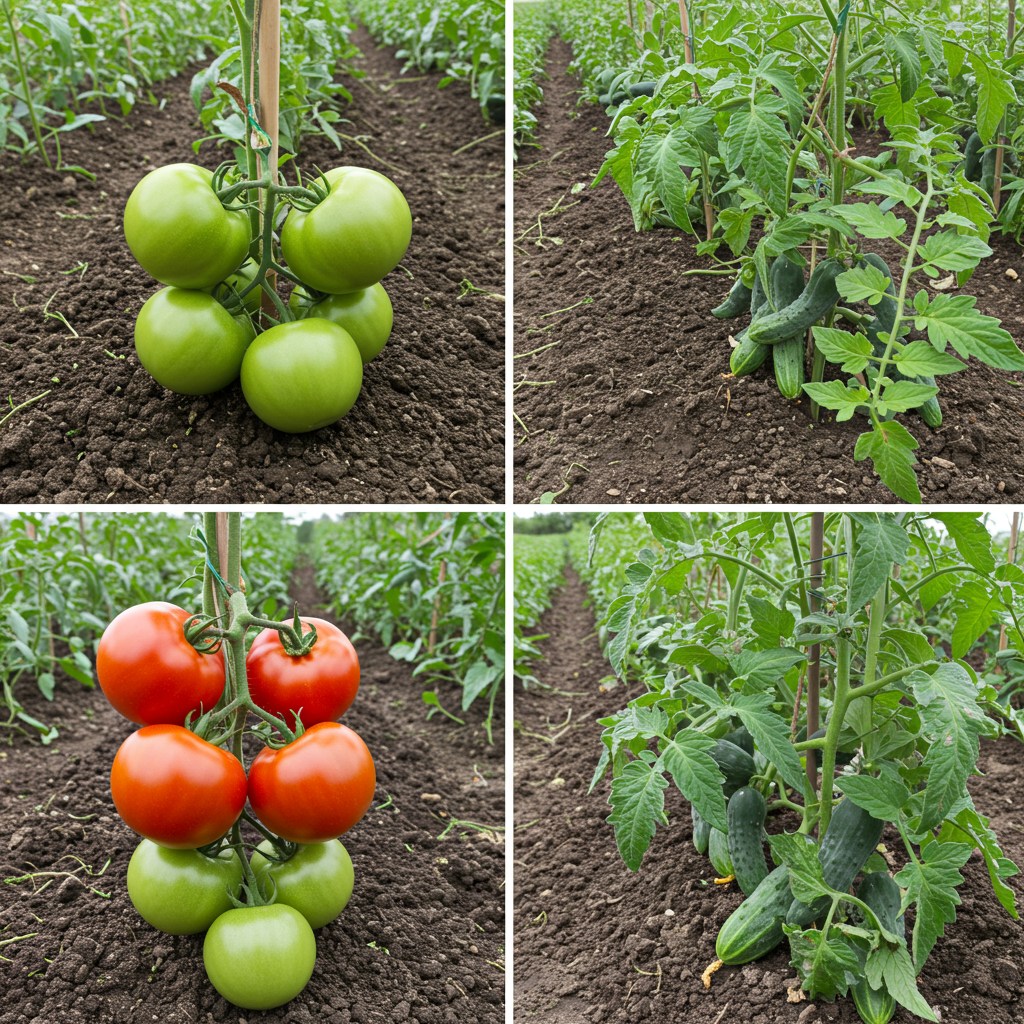
Gardening enthusiasts and commercial farmers alike are always searching for effective, natural methods to enhance plant growth, improve soil quality, and prevent diseases. One such simple yet powerful solution is the use of milk or whey as a multifunctional top dressing for crops like tomatoes, cucumbers, and other garden plants. Milk contains an abundance of essential nutrients, including nitrogen, potassium, calcium, magnesium, iron, and phosphorus, all of which are beneficial to plant health. Moreover, its positive impact extends beyond mere nutrition—it helps condition poor soil, making it more hospitable for plant growth.
This method is not only cost-effective but also environmentally friendly, providing an organic alternative to synthetic fertilizers. The lactic acid bacteria found in milk play a crucial role in soil health by fostering beneficial microorganisms and suppressing harmful pathogens. Additionally, milk-based top dressing can be applied both as a root fertilizer and as a foliar spray, making it a versatile solution for various gardening needs.
The Role of Lactic Acid Bacteria in Plant Health
Lactic acid bacteria, naturally present in milk and whey, contribute significantly to plant development and disease prevention. When introduced into the soil, these beneficial microbes help break down organic matter, releasing nutrients in a form that plants can easily absorb. This enhances root development and boosts overall plant health. Furthermore, these bacteria act as natural biocontrol agents by suppressing harmful fungi and bacteria that cause root rot and other plant diseases.
By using milk or whey as a top dressing, gardeners create a favorable environment where plants can absorb nutrients efficiently. In addition, milk’s natural properties help prevent various soil-borne and airborne diseases, making it an excellent choice for both soil enrichment and plant protection.