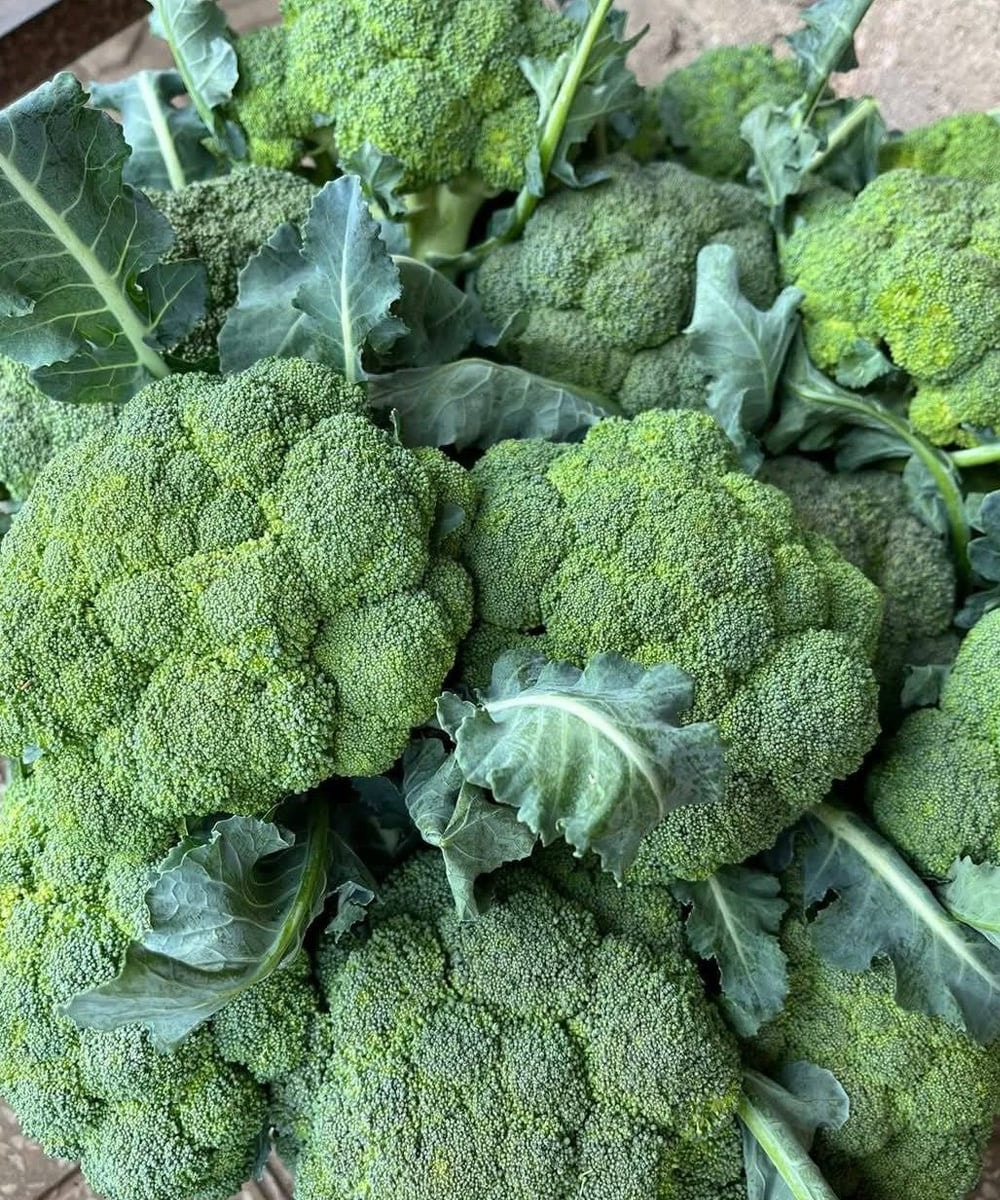
Nutritional Values of Cauliflower vs broccoli
How does the nutrition value compare per cooked cup of cauliflower vs broccoli?
| Nutrients | Broccoli | Cauliflower |
|---|---|---|
| Weight per cooked cup | 156 g | 124 g |
| Calories | 44 | 29 |
| Protein | 4.7g | 2.28 g |
| Fiber | 4.7g | 3.35 g |
| Vitamin A | 2,280.7 IU | 21.08 IU |
| Vitamin C | 123.4 mg | 54.93 mg |
| Vitamin E | 0.8 mg | 0.10 mg |
| Vitamin K | 155.2 mcg | 11.17 mcg |
| Folate (vitamin B9) | 93.9 mcg | 54.56 mcg |
| Pyridoxine (vitamin B6) | 0.22 mg | 0.21 mg |
| Pantothenic Acid (vitamin B5) | 0.8 mg | 0.6 mg |
| Niacin (vitamin B3) | 0.9 mg | 0.5 mg |
| Riboflavin (vitamin B2) | 0.2 mg | 0.1 mg |
| Calcium | 74.7 mg | 19.85 mg |
| Iron | 1.4 mg | 0.41 mg |
| Magnesium | 39.0 mg | 11.16 mg |
| Manganese | 0.3 mg | 0.17 mg |
| Potassium | 505.4 mg | 176.08 mg |
| Phosphorus | 102.8 mg | 39.68 mg |
| Zinc | 0.6 mg | 0.22 mg |
Health Benefits of Broccoli
It is clear that broccoli is a nutritional superfood, and scientific evidence supports its wide range of health benefits. For instance, broccoli has widely been regarded for containing anti-cancer compounds.
Contains Anti-Cancer Compounds
Broccoli contains the sulfur-containing compound sinigrin, which helps release special phytonutrients, like isothiocyanates, that detoxify cancer-causing carcinogens.
The vegetable also contains other anit-cancer properties. In particular, indole-3-carbinol, found in broccoli, helps deactivate the tumor promoter 4-hydroxyestrone, especially in breast cells. The phytonutrient glucoraphanin in broccoli is also known to convert to sulforaphane in your body; sulforaphane is helpful for liver detoxification, which quickly removes any potential carcinogens.
Heart Health
Broccoli also contains plenty of heart-healthy benefits. Broccoli’s sulforaphane also contains anti-inflammatory properties, which can help prevent and reverse blood vessel damage from inflammatory chronic blood sugar issues. Broccoli is loaded with other heart-healthy nutrients, such as omega-3 fatty acids, magnesium, potassium, folate, fiber, and vitamins B3, B6, and E. The soluble fiber in broccoli even helps reduce cholesterol levels in your body.
Eradication of Harmful H. Pylori Bacteria
What are broccoli’s other health benefits? The sulforaphane in broccoli and broccoli sprouts may help eradicate the bacterium Helicobacter pylori (H. pylori), which is responsible for many stomach ulcers and stomach cancer risk. In a study published in the journal Antimicrobial Agents and Chemotherapy in 2003, researchers found that sulforaphane eliminated H. pylori in eight of 11 infected mice. In another study published in the journal Cancer Prevention Research in 2009, researchers observed 48 H. pylori-infected patients for a two-month period. They were assigned randomly to eat 70 g daily of the sulforaphane-heavy broccoli sprouts or a placebo (alfalfa sprouts, which do not contain sulforaphane). The broccoli sprouts decreased biomarkers of H. pylori colonization, including H. pylori stool antigen and levels of urease. The broccoli sprouts also reduced biomarkers of stomach damage, including serum pepsinogens I and II.
Eye Health
Broccoli is also thought to benefit people with vision problems, such as cataracts. Broccoli contains two powerful antioxidants, lutein and zeaxanthin, which are from the carotenoid family. The sulforaphane in broccoli also may contain antioxidant properties, which helps protect the eye from potentially damaging free radicals.
Other Health Benefits
Broccoli is also important for bone health, osteoporosis prevention, and weight control. The alkalinizing vegetable also helps reduce acidity within your body.
What Are the Best Ways to Eat Broccoli?
You can eat it raw, but if you plan to cook broccoli, it is best to steam it lightly. Broccoli doesn’t taste good when overcooked. (Keep reading to find out some other tasty ways to enjoy this cruciferous vegetable.)