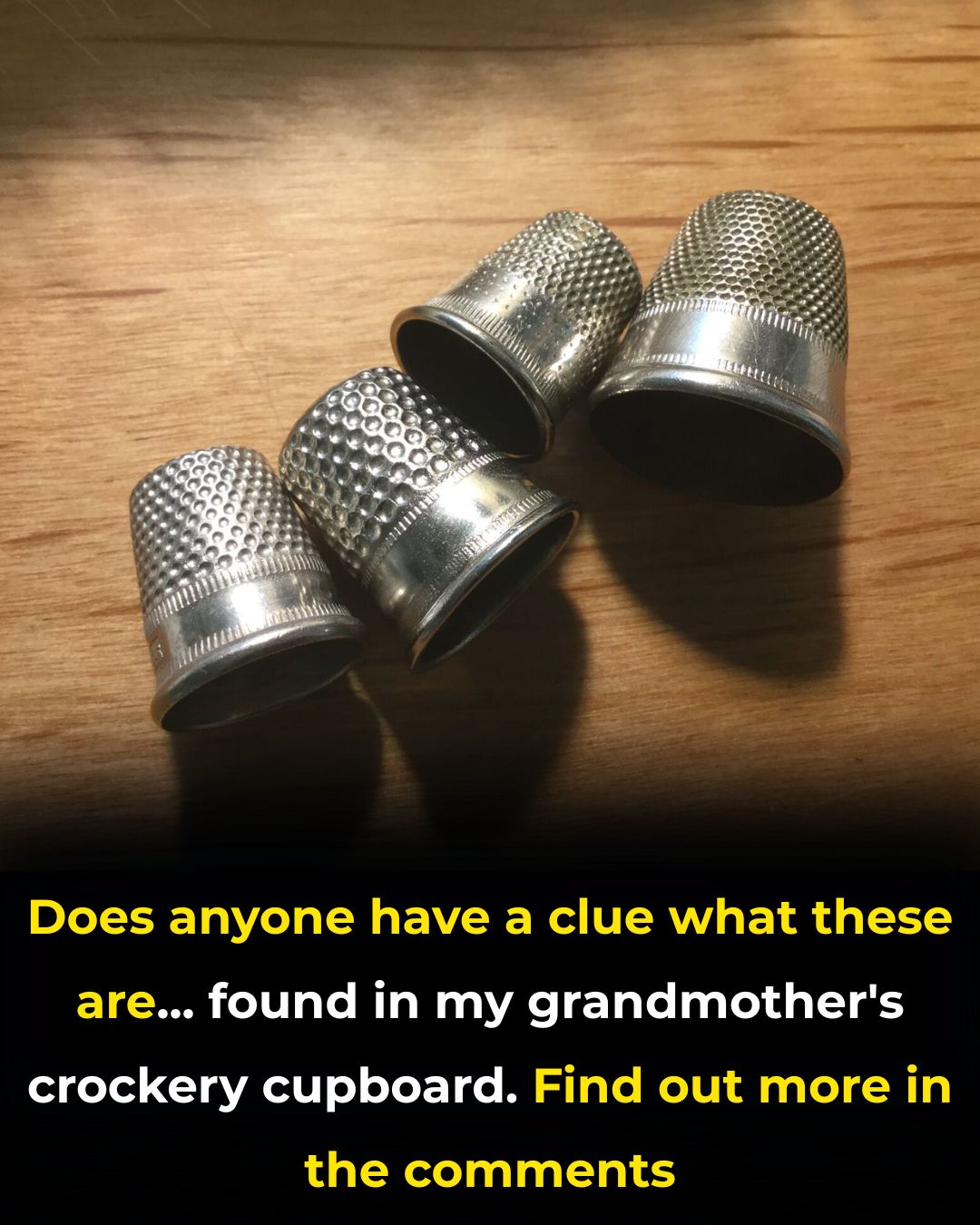
At first glance, a thimble might appear to be a humble sewing accessory — small, unassuming, and purely functional. Yet, beneath its simple exterior lies a remarkable story that spans thousands of years. From ancient artisans to modern collectors, thimbles have been treasured not just as tools of protection but also as symbols of artistry, ingenuity, and even affection.
From the dusty ruins of Pompeii to the gleaming cabinets of collectors today, the thimble has endured through shifting eras, changing materials, and evolving meanings. Let’s explore how this tiny object has stitched itself into the grand tapestry of human history.
🏺 A Glimpse into the Past: Thimbles in Ancient Times
The history of the thimble begins in the ancient world. Archaeologists have uncovered bronze thimbles in Pompeii, dating back to the 1st century AD, providing evidence that even early civilizations valued precision and protection in their handcrafts. These early versions were practical in design, shaped to fit snugly over the fingertip to prevent needle pricks while sewing.
Similar tools have been found in China, Egypt, and the Middle East, each with subtle variations that reflect local craftsmanship. Some were made from bone, ivory, or leather, while others used bronze and brass, materials durable enough to endure daily use.
Though these thimbles were utilitarian, they represented the foundation for a craft that would later blend artistry with function — a balance that would define their evolution for centuries to come.
🪡 From Function to Fashion: The Evolution of Thimbles
As textile work flourished in medieval Europe, the design of the thimble evolved. Artisans began crafting them from leather, wood, and metal, adapting to new fabrics and finer stitching techniques.