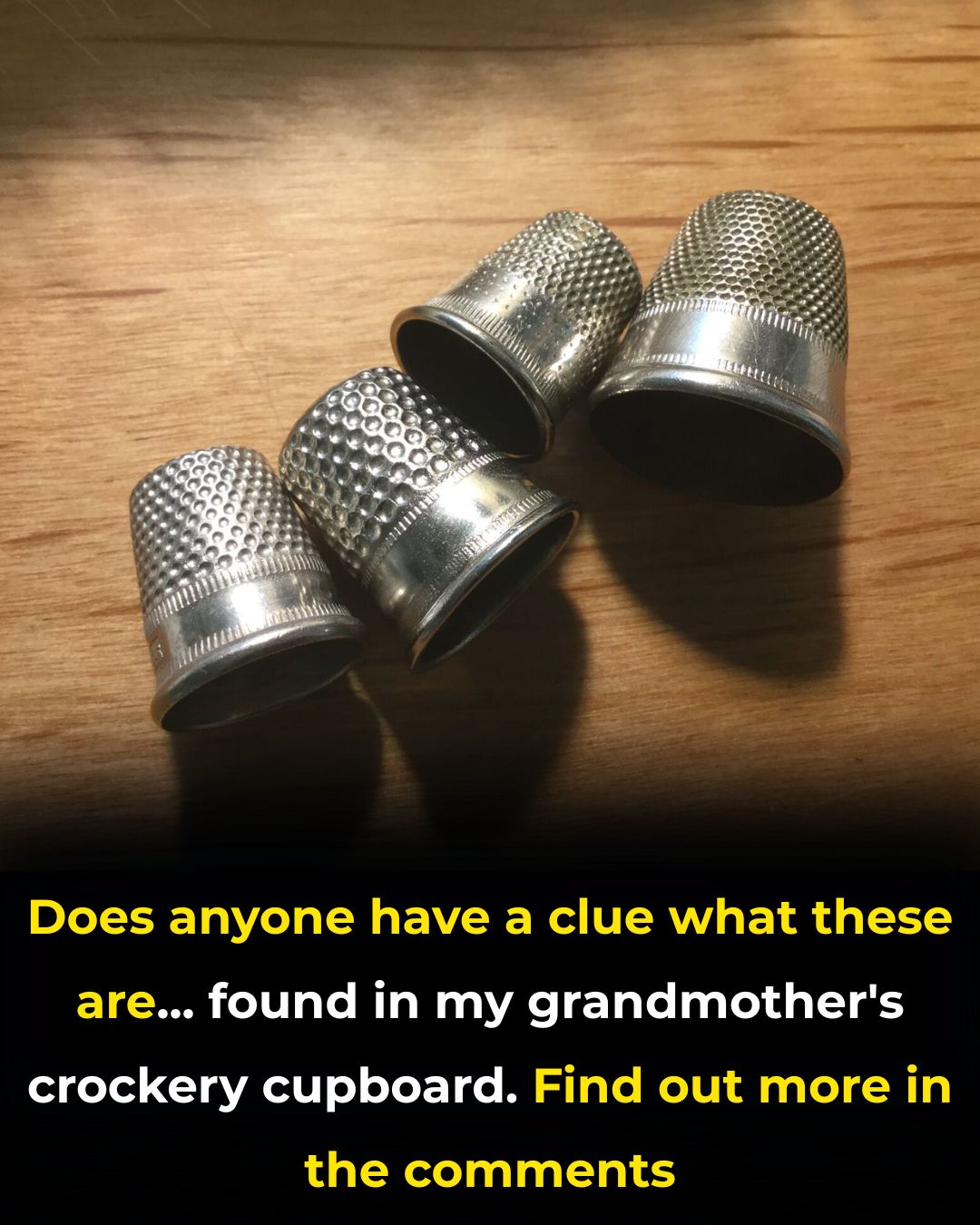
By the 14th century, Nuremberg, Germany, had become a major hub of thimble production. Skilled metalworkers there perfected the art of casting thimbles in brass, earning the city a reputation that would last for generations.
In time, the thimble transcended its purely functional role. During the 17th and 18th centuries, thimbles became fashionable accessories among the European elite. Wealthy families commissioned ornate pieces made from silver, gold, or even enamel, often engraved with initials or delicate floral patterns. Some were gifted as tokens of love or friendship, while others were included in dowries as cherished keepsakes.
A thimble, once a mere tool, had become a symbol of refinement, creativity, and status.
⚒️ Beyond Sewing: Thimbles in Trades, Culture, and Folklore
Although sewing is the craft most associated with thimbles, their usefulness extended far beyond the needle. Craftspeople across trades — including bookbinders, lace-makers, and leatherworkers — relied on thimbles for precision and finger protection.
Over time, the thimble also found its way into folklore and cultural symbolism. In J.M. Barrie’s “Peter Pan”, Wendy famously gives Peter a thimble as a “kiss,” turning this simple object into a gesture of tenderness and imagination.
In the early 20th century, the thimble became an icon of everyday life, immortalized as one of the original Monopoly game pieces — a tiny tribute to its ubiquity in domestic settings. It represented not just sewing, but the quiet industriousness of home life.
💎 Treasures for Collectors: The World of Vintage Thimbles
Fast forward to today, and thimbles have become coveted collectible items. Antique and vintage thimbles hold both historical and artistic value, offering a window into the aesthetics and craftsmanship of earlier eras.
Collectors often specialize in specific themes — focusing on: