Inspect the shell: Make sure the shell is clean and not cracked. Cracks can let bacteria in, increasing the risk of contamination.
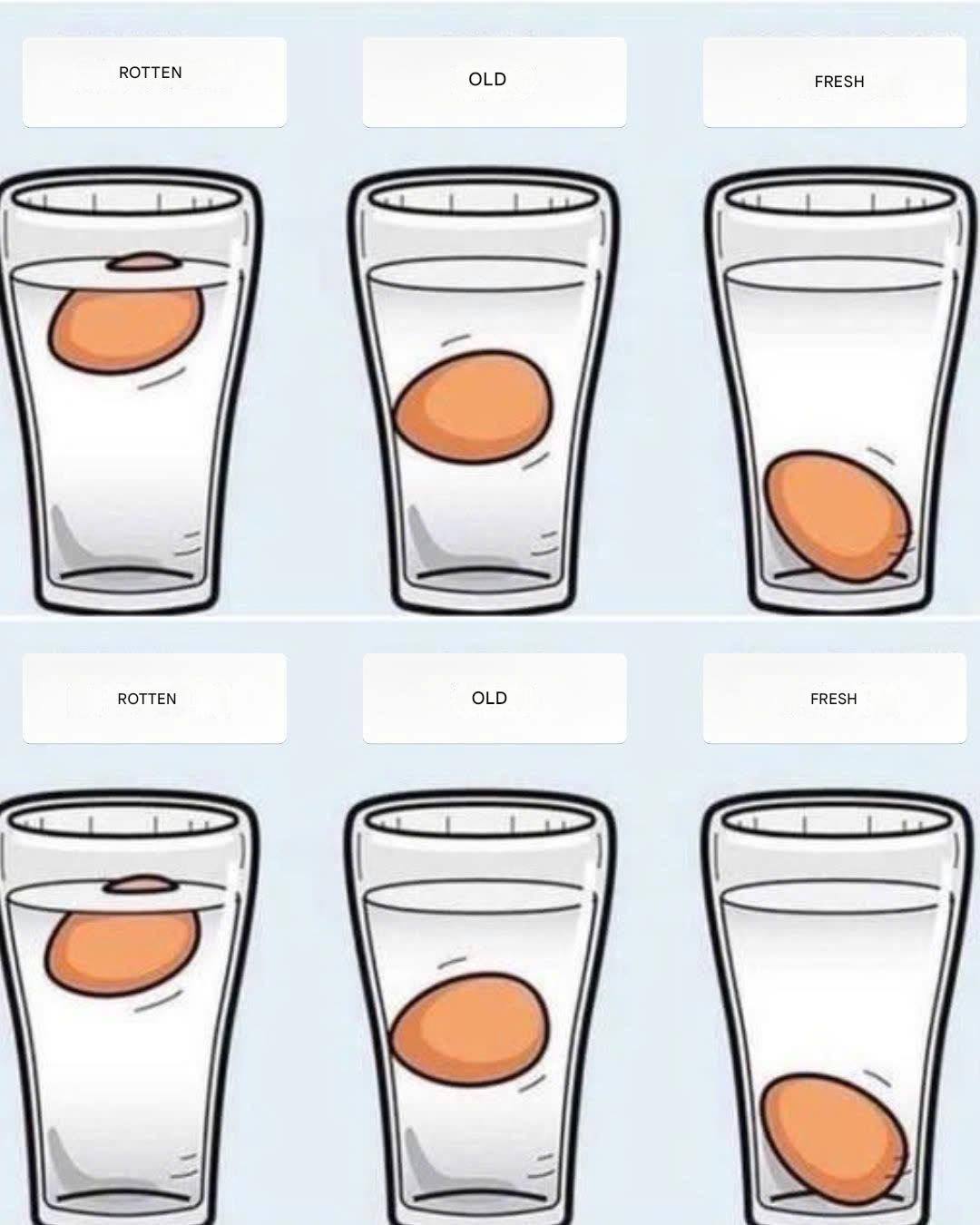
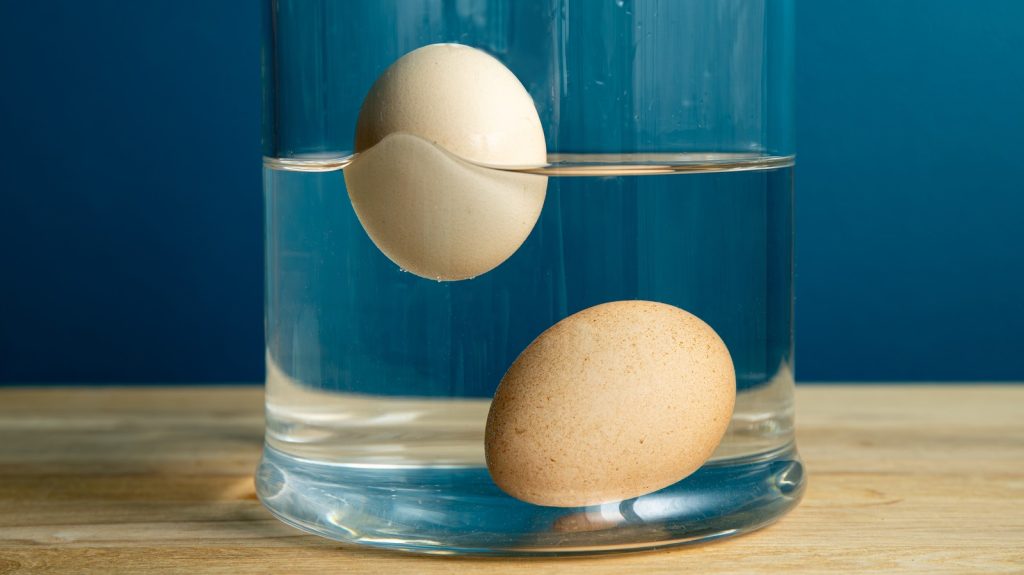
Use your nose if necessary: If you are unsure after the water test, crack the egg into a separate bowl. A bad egg will have a strong, unpleasant smell – if it does, throw it away immediately.
Store eggs properly: Store them in the refrigerator, ideally on a middle shelf where the temperature remains stable, not in the door.
Make good use of older eggs: While they may not be the best for things like fried eggs or omelets, slightly older eggs are still great in baked goods like cakes and muffins.